

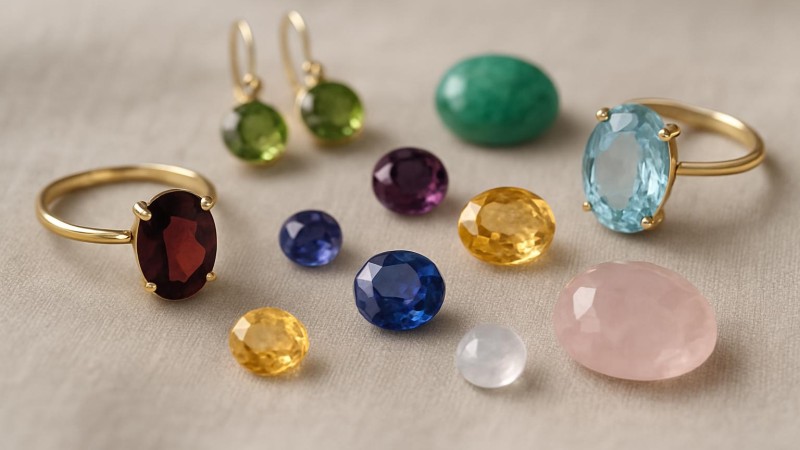
Understanding Birthstones: A Blend of History and Symbolism
Birthstones have captivated jewelry lovers for centuries. Each month is represented by one or more gemstones believed to carry unique meanings and symbolism. From ancient traditions to modern updates, birthstones have evolved into a fascinating blend of history, culture, and personal expression.
In this article, we’ll explore the difference between traditional and modern birthstones, how these lists came to be, and how you can incorporate birthstones into your jewelry designs using materials like amethyst beads or freshwater pearls.
The Origins of Birthstones
The concept of birthstones can be traced back to ancient civilizations. Historians believe the idea originated from the Breastplate of Aaron, described in biblical texts, which featured twelve gemstones representing the twelve tribes of Israel. Over time, these stones became associated with the twelve zodiac signs and eventually with the twelve months of the year.
By the Middle Ages, wearing a gemstone corresponding to one’s birth month was thought to bring good fortune and protection. This tradition spread across Europe and Asia, where local cultures assigned their own stones based on availability, trade, and spiritual beliefs.
Traditional Birthstones: The Historical List
The traditional birthstone list developed over centuries, influenced by regional gemstone availability and lore. These stones often carried deep cultural or spiritual meanings and were selected for their color, rarity, or symbolic properties.
Traditional Birthstone Chart
- January: Garnet – In folklore, garnet was believed to symbolize friendship and protection during travel.
- February: Amethyst – Ancient Greeks associated amethyst with clarity of mind and sobriety.
- March: Bloodstone – Traditionally thought to bring courage and vitality.
- April: Diamond – Symbol of purity and strength in many cultures.
- May: Emerald – In ancient lore, emerald represented rebirth and fertility.
- June: Pearl or Moonstone – Historically connected to purity and intuition.
- July: Ruby – Once regarded as the stone of passion and protection.
- August: Sardonyx or Peridot – Believed to offer strength and harmony.
- September: Sapphire – Linked to wisdom and divine favor in folklore.
- October: Opal – Once thought to bring good luck and foresight.
- November: Topaz – In ancient times, believed to calm tempers and bring warmth.
- December: Turquoise or Lapis Lazuli – Associated with protection and prosperity.
The Modern Birthstone List
In 1912, the American National Retail Jewelers Association (now known as Jewelers of America) standardized a modern list of birthstones. This update reflected the growing global trade in gemstones and the availability of new varieties. Over time, the list has been revised to include alternative stones that appeal to contemporary tastes and budgets.
Modern Birthstone Chart
- January: Garnet
- February: Amethyst
- March: Aquamarine
- April: Diamond
- May: Emerald
- June: Pearl, Moonstone, Alexandrite
- July: Ruby
- August: Peridot, Spinel
- September: Sapphire
- October: Opal, Tourmaline
- November: Topaz, Citrine
- December: Turquoise, Tanzanite, Blue Zircon
Why the Lists Differ
The main reason traditional and modern birthstone lists differ lies in gemstone availability and consumer preference. Some stones that were popular in ancient times became rare or difficult to source. Others, newly discovered or newly appreciated, were added to modern lists. For example, aquamarine replaced bloodstone for March because of its beautiful blue hue and accessibility.
Modern lists also accommodate aesthetic trends. Jewelers and consumers often prefer stones with brilliant colors and durability suitable for everyday wear. This practical consideration led to the inclusion of gems like tanzanite and citrine in later updates.
Symbolism and Folklore of Birthstones
Each birthstone carries centuries of stories, beliefs, and symbolic meaning. While modern wearers may appreciate birthstones mainly for their beauty, many still enjoy learning about their traditional associations.
Examples of Traditional Beliefs
- Garnet: In folklore, believed to protect travelers and bring vitality.
- Amethyst: Traditionally associated with calmness and spiritual insight.
- Emerald: Ancient cultures regarded it as a symbol of renewal and growth.
- Ruby: Once thought to ignite passion and courage.
- Sapphire: Historically linked with wisdom and protection from envy.
- Opal: In medieval times, considered a stone of hope and purity.
Choosing Between Traditional and Modern Birthstones
When selecting a birthstone for a piece of jewelry, you can choose based on historical significance, personal taste, or color preference. Some people feel drawn to the traditional list because of its deep cultural roots, while others prefer the modern list for its vibrancy and variety.
For example, someone born in March might choose between the earthy tones of traditional bloodstone and the serene blue of modern aquamarine. Both tell a story, and both can be beautifully incorporated into designs using materials like wire wrappers or delicate jump rings.
Designing Jewelry with Birthstones
Birthstones lend themselves beautifully to personalized jewelry. Whether you’re creating a pendant, bracelet, or pair of earrings, incorporating a birthstone can make the piece meaningful and unique. Here are some design ideas:
- Minimalist Pendants: Use a single polished stone set in silver or gold for an elegant, understated look.
- Layered Bracelets: Combine multiple birthstones to represent family members or loved ones.
- Beaded Necklaces: String amethyst beads or peridot chips for a colorful, natural design.
- Charm Jewelry: Add small gemstone charms to a chain using sturdy jump rings.
Mixing Traditional and Modern Stones
There’s no rule saying you must choose one list over the other. Many designers blend traditional and modern stones to create multi-layered meanings. For example, a June-born person might combine moonstone (traditional) and alexandrite (modern) in a single piece for a unique expression of their personality.
Mixing stones can also make your jewelry visually striking. Pairing the deep red of garnet with the light shimmer of pearl creates a timeless contrast. These combinations can be beautifully accentuated with quality findings like silver clasps or gold wire wrappers.
Birthstones in Contemporary Jewelry Culture
Today, birthstones are more than just tokens of birth months—they’re expressions of identity and style. Designers experiment with traditional cuts, innovative settings, and sustainable materials. Artisans often source natural stones to emphasize authenticity and individuality.
At PebbleBead, jewelry makers and enthusiasts can find a wide selection of natural stones and supplies, from raw crystal forms to polished freshwater pearls. These materials inspire endless creativity for crafting meaningful, personalized designs.
Caring for Birthstone Jewelry
Different gemstones have varying levels of hardness and sensitivity. Knowing how to care for them ensures their beauty lasts for years:
- Clean gently: Use mild soap and lukewarm water; avoid harsh chemicals.
- Store separately: Softer stones like opal or pearl should be kept away from harder gems to prevent scratches.
- Avoid prolonged sunlight: Some stones, like amethyst or topaz, can fade with excessive light exposure.
Proper care preserves both the physical and sentimental value of your birthstone jewelry.
Conclusion: The Timeless Appeal of Birthstones
Whether you favor the time-honored traditional list or the updated modern one, birthstones continue to symbolize personal meaning and connection. They bridge ancient beliefs with contemporary design, making them ideal for jewelry that tells a story.
From the deep red sparkle of garnet to the tranquil blue of aquamarine, each birthstone captures a piece of human history and emotion. When crafted thoughtfully—perhaps with amethyst beads or luminous freshwater pearls—these gems become more than adornments; they become wearable narratives that celebrate life, love, and identity.
Explore the world of birthstones through your creative projects and discover how these gems, both traditional and modern, can inspire timeless jewelry pieces that speak from the heart.
For the complete picture, read our in-depth guide:

Leave a Comment