

Introduction
Freshwater pearls have captivated jewelry lovers for centuries with their soft luster, organic beauty, and timeless appeal. Whether strung on a delicate bracelet or adorning a pair of elegant earrings, these gems are a symbol of natural grace. But with the rise of imitation pearls and synthetic materials, distinguishing a genuine freshwater pearl from a fake can be a challenge. In this guide, PebbleBead explores how to identify real freshwater pearls through simple tests, visual cues, and expert insights.
Understanding Freshwater Pearls
Freshwater pearls are formed inside mussels that live in rivers, lakes, and ponds. Unlike saltwater pearls, which typically develop around a single nucleus, freshwater pearls are composed almost entirely of nacre — the iridescent substance secreted by the mollusk. This gives them a unique glow and a variety of shapes and sizes.
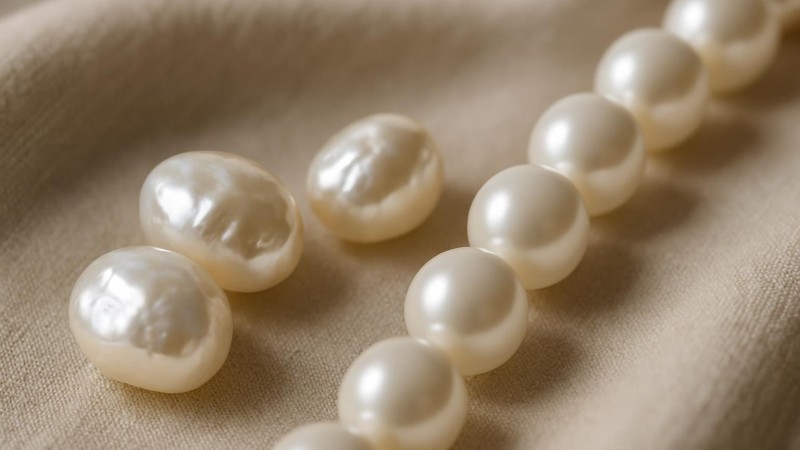
Authentic freshwater pearls can be round, oval, button-shaped, or even baroque (irregular). Their color ranges from white and cream to pink, lavender, and peach. Each pearl is a small miracle of nature, shaped by time and water, making no two pearls exactly alike.
Why Fake Pearls Exist
Because pearls are prized for their elegance, they have long been imitated using glass, plastic, or shell beads coated with pearlescent paint. These imitation pearls are often used in costume jewelry or inexpensive accessories. While some are beautifully made, they lack the natural warmth, texture, and iridescence of real pearls.
Understanding how to tell real pearls from fakes helps you make informed choices — whether you’re purchasing a strand of freshwater pearls or inheriting a vintage necklace.
Key Differences Between Real and Fake Freshwater Pearls
1. Surface Texture
One of the easiest ways to identify real pearls is through their texture. Gently rub two pearls together. Real pearls will feel slightly gritty due to the microscopic crystalline structure of nacre. Fake pearls, on the other hand, will glide smoothly because of their artificial coating.
This test, often called the “tooth test,” can also be done by lightly rubbing a pearl against the edge of your tooth. A genuine pearl will feel sandy or grainy, while a fake one feels slick and glassy.
2. Luster and Depth
Real freshwater pearls possess a deep, almost inner glow that changes subtly under different lighting conditions. This luster comes from light reflecting through layers of nacre. Fake pearls may appear shiny, but their reflection is often flat or mirror-like. When you move them under light, the difference becomes clear — authentic pearls seem to glow from within.
3. Weight and Temperature
Real pearls tend to feel cool to the touch when first picked up, gradually warming against your skin. They also have a slightly heavier, denser feel compared to plastic or resin imitations. If your pearls feel unusually light or warm immediately, they may not be genuine.
4. Shape and Size Variations
Since freshwater pearls are naturally formed, they rarely match perfectly in shape or size. Even in a carefully matched strand, subtle variations exist. Fake pearls, particularly those made of glass or molded plastic, are often identical. If every pearl looks exactly the same, it’s a sign they might be synthetic.
5. Drill Holes
Examine the hole where the pearl is strung. In real pearls, drill holes are usually neat but small, and you can often see the layers of nacre. In fake pearls, you might notice chipped paint, uneven edges, or a clear line where the coating meets the bead core.
Simple At-Home Tests
The Tooth Test
As mentioned, gently rub a pearl against your tooth. The gritty sensation indicates a real pearl; a smooth glide suggests a fake.
The Magnification Test
Use a magnifying glass or jeweler’s loupe to examine the surface. Real pearls display tiny irregularities and a mosaic-like pattern of nacre layers. Fake pearls often show a uniform, glassy finish or visible paint swirls.
The Roll Test
Place your pearls on a flat surface and roll them gently. Real pearls will roll unevenly because of their unique shapes, while fake ones, especially plastic or glass imitations, roll in a perfectly straight line.
The Light Test
Under soft light, real pearls exhibit subtle color variations and depth. Fakes reflect light uniformly. You can also compare them next to other gemstones like amethyst beads to see how natural minerals and organic gems reflect light differently.
Expert Verification
If you’re still uncertain after performing these tests, consider having your pearls evaluated by a professional gemologist or reputable jeweler. Many jewelers use specialized equipment, such as X-rays, to examine the internal structure of pearls. Real freshwater pearls show concentric growth rings, while imitation ones reveal a solid or glass-like core.
Common Types of Fake Pearls
- Glass Pearls: Made from glass beads coated with pearlescent lacquer. They tend to be heavier than plastic fakes but lack the warmth of real pearls.
- Plastic Pearls: Lightweight and inexpensive, these imitations often have visible seams or chipped coatings.
- Shell Pearls: Created by coating shell beads with powdered nacre. These are higher quality fakes but still lack the organic irregularity of genuine pearls.
- Majorica Pearls: A famous brand of imitation pearls from Spain, known for their beauty but entirely man-made.
How to Care for Real Freshwater Pearls
Once you’ve confirmed your pearls are genuine, proper care will help them retain their glow for generations. Pearls are delicate and can be damaged by chemicals, excessive moisture, or abrasive materials.
Storage Tips
- Store pearls separately from other jewelry to prevent scratches. A soft cloth pouch or a lined jewelry box works best.
- Avoid airtight containers; pearls need a bit of moisture to maintain their luster.
- Do not hang pearl necklaces, as this can stretch the silk thread over time.
Cleaning Tips
- Wipe pearls gently with a damp, soft cloth after wearing to remove sweat or oils.
- Avoid ultrasonic cleaners, harsh detergents, or alcohol-based solutions.
- If necessary, restring your pearls every few years using jump rings and silk thread to ensure security and longevity.
Folklore and Symbolism of Pearls
Throughout history, pearls have been symbols of purity, wisdom, and serenity. In ancient cultures, they were regarded as tears of the moon, embodying tranquility and emotional balance. Traditionally, pearls were believed to promote calm and enhance personal integrity. While these beliefs belong to folklore, they add a poetic layer to the appreciation of pearls in jewelry-making and culture.
Using Freshwater Pearls in Jewelry Design
Freshwater pearls are highly versatile in design. They can be combined with other gemstones like wire wrappers or crystals to create elegant contrasts. Their organic shapes pair beautifully with metals like silver, gold, or copper. Whether used in classic strands or contemporary mixed-media designs, genuine pearls bring sophistication and authenticity to every creation.
Interesting Facts About Freshwater Pearls
- Unlike saltwater pearls, freshwater varieties can produce multiple pearls at once within a single mollusk.
- China is the world’s leading producer of freshwater pearls, known for innovation and quality.
- No two pearls are identical — each one reflects its environment, growth time, and care.
- In traditional metaphysical beliefs, pearls were thought to attract good fortune and symbolize spiritual transformation.
Conclusion
Learning how to tell if a freshwater pearl is real or fake helps you value the craftsmanship and natural beauty behind genuine pearls. By examining surface texture, luster, temperature, and other details, you can confidently distinguish authentic gems from imitations. Whether you’re selecting a strand of freshwater pearls or designing your next jewelry piece with PebbleBead’s wide range of natural materials, understanding authenticity ensures that your creations carry both beauty and integrity.
Remember — real pearls are treasures of nature, and their imperfections are what make them truly perfect.
For the complete picture, read our in-depth guide:

Leave a Comment